
Spinal Stenosis Treatment in Omaha
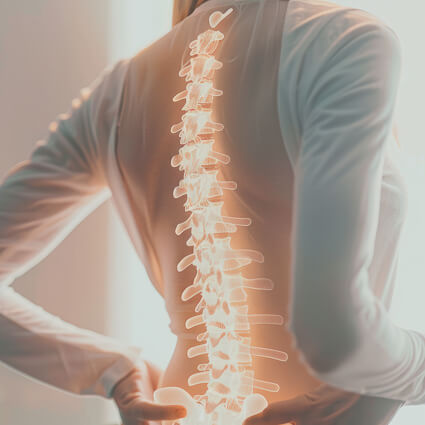 If you’ve been noticing more pain in your back or legs lately, or that walking has started to feel heavier and harder, spinal stenosis might be what’s going on. It’s more common than most people realize, and the good news? Surgery isn’t your only option.
What Spinal Stenosis Is and How It Develops
Spinal stenosis happens when the open spaces inside your spine gradually narrow, creating pressure on the spinal cord and surrounding nerves. It most often develops in the lower back or neck, and it typically builds slowly over time rather than showing up after a single injury. For a lot of people, it’s the result of years of wear and tear, posture patterns, or spinal imbalances that were never really dealt with.
The Common Causes
There’s rarely just one reason spinal stenosis develops. It’s usually a combination of factors that slowly reduce the space available for your nerves, including:
- Degenerative disc changes and arthritis in the spine
- Thickened ligaments or bone spurs
- Bulging or herniated discs
- Past injuries or repetitive stress
How Spinal Stenosis Can Feel
Symptoms can vary quite a bit from person to person. Lower back pain, neck pain, and a heavy or cramping sensation in the legs are among the most common complaints. Some people notice numbness or tingling in their arms, hands, or feet, or find that their legs feel weak or unreliable.
A lot of patients mention that their symptoms ease up when they sit down or lean forward slightly. That’s actually a hallmark sign of spinal stenosis, and it tells us something useful about what’s happening structurally in your spine.
Many people assume these symptoms are just part of getting older. While it’s true that stenosis is more common with age, that doesn’t mean it’s something you have to accept and work around.
When to See a Chiropractor
If your mobility has been gradually decreasing, your discomfort is getting harder to ignore, or you’ve started skipping activities you used to enjoy, it’s worth having your spine evaluated. Getting ahead of the problem early makes a real difference in how things progress.
How We Approach Spinal Stenosis
At Kunz Chiropractic, we take a structural look at what’s driving your symptoms rather than just managing the discomfort. The focus is on improving how your spine moves and reducing pressure on the affected nerves through targeted chiropractic adjustments and soft tissue work.
We’ll also look at your posture and daily movement habits, since those often play a bigger role in stenosis than people expect. From there, we put together a care plan built around your specific situation, including exercises to build stability and support your results over the long haul.
Take the Next Step
If spinal stenosis has been slowing you down, we’d love to help. Contact Kunz Chiropractic to book an appointment.
